
Preparing You For The Next Chapter In Your Life
Meet David Garnes
At the Law Offices of David T. Garnes, LLC, our experienced family law attorney is here to help you feel comfortable and confident as you navigate matters of family law and divorce. You can rely on our trusted law firm to protect your best interests every step of the way.

Super Lawyers 2024
Flat Rates For Uncontested Divorces
Payment Financing Available
Over 20 Years’ Experience
Experience In State & Federal Court
Trusted Family Law Attorney in New Jersey Serving Cherry Hill and Philadelphia
After working for other family law firms in the region, attorney David T. Garnes established his own law firm in 2008. He remains focused on helping people just like you. Attorney Garnes knows that every family law case involves unique issues, so he takes an individualized approach to helping every client. He strives to reach an agreement among the parties before going to court. However, he has extensive courtroom experience and will go to court for you if that is the best way to protect your interests. Attorney Garnes is ready to be a strong advocate for you.
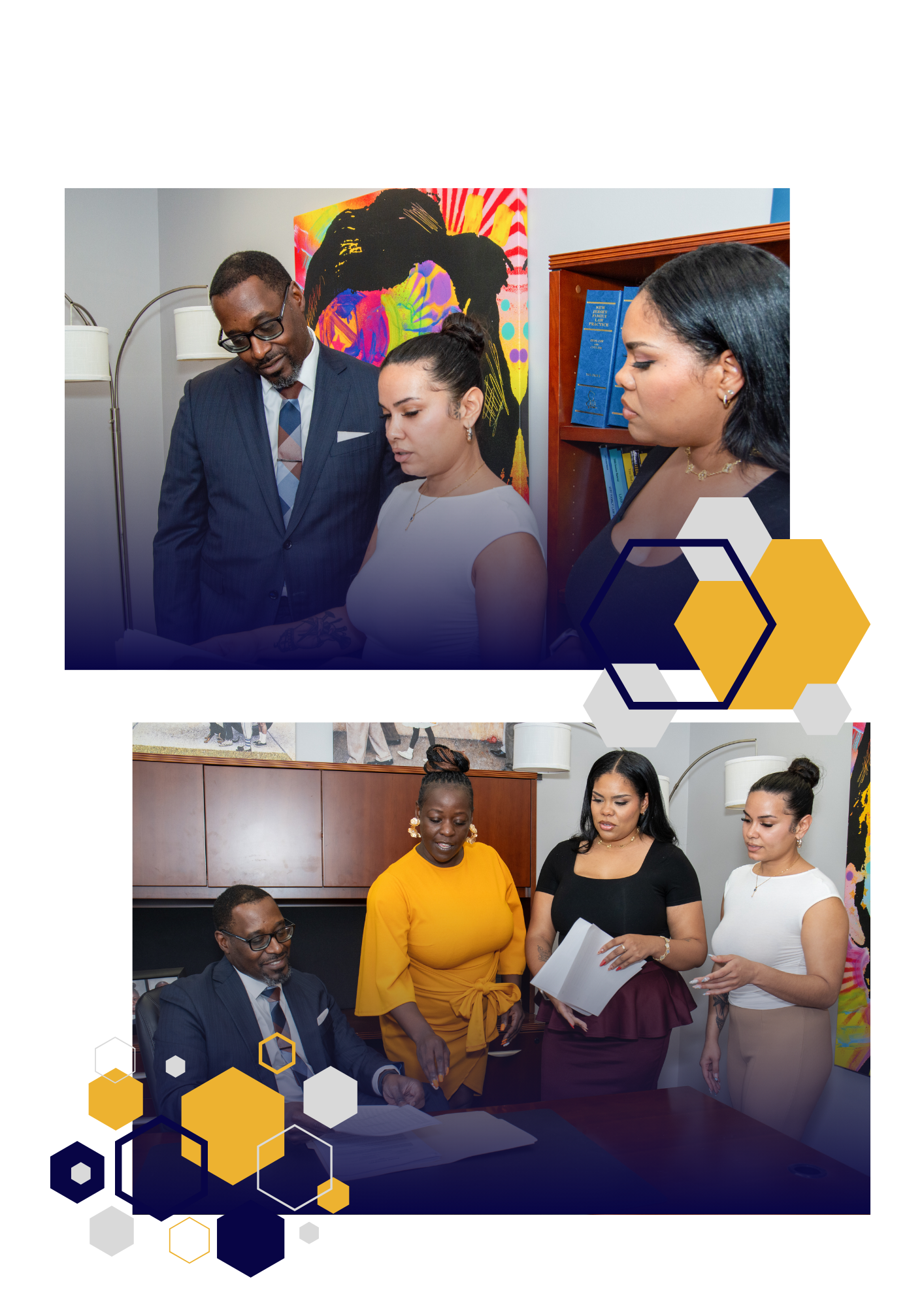
Uniquely qualified to deliver results
Our services
How We Help Families

Divorce & Separation

Child Custody & Visitation

Child Support

Alimony / Spousal Support

Adoption

Relocation Cases

Grandparents’ Rights

Guardianship & Name Changes

Domestic Violence & Protection Orders
TESTIMONIALS
Trusted Family Law Attorney In South Jersey & Philadelphia Testimonials

"I highly recommend Mr. Garnes"
"Mr. Garnes was such an amazing attorney, and he has an amazing staff! Mr. Garnes was truly there for me during my time of need. He truly gets the job done, and was available for me on both nights and weekends! "
- B B.
Why Families Trust Us in NJ & PA
Outstanding Legal Services For You And Your Family
We offer a wide range of family law services, including counsel and representation in the following:
Divorce and the division of marital property
Child custody determinations and modifications
Grandparent custody rights
Relocation or moving away of custodial parents
Child support and spousal support matters
The emancipation of minors
Issues related to domestic violence

STILL NOT SURE?
Frequently asked questions
Q: Do I really need a lawyer for my family law case?
Yes. Family law decisions affect your future for years to come. A skilled attorney ensures your rights are protected and prevents costly mistakes.
Q: How much will this cost?
Every case is different. We offer flexible payment structures and will discuss costs upfront so there are no surprises.
Q: How long will my case take?
It depends on your specific situation. Some cases resolve in a few months, while others take longer due to disputes over property, custody, or support. We’ll give you a realistic timeline early on.
Q: Do you handle cases in both New Jersey and Pennsylvania?
Yes. Attorney Garnes is licensed in both states and actively represents clients on both sides of the river.
Q: Will I have to go to court?
Not always. Many cases are resolved through negotiation or mediation. But if litigation is necessary, we are fully prepared to represent you in court.
Let Our Family Law Firm Help You With Your Case
At the Law Offices of David T. Garnes, LLC, we know that you are depending upon us. You can trust our team to be there with you throughout your entire case.
At the Law Offices of David T. Garnes, LLC, we know that you are depending upon us. You can trust our team to be there with you throughout your entire case.
Request a Free Consultation
Cherry Hill Office
3 Executive Campus
2370 Marlton Pike West Suite 255
Cherry Hill, NJ 08002
Phone: 856-438-5234
Fax: 856-282-1159
Philadelphia Office
One Liberty Place
1650 Market Street 36th Floor
Philadelphia, PA 19103
Phone: 267-838-9713
Fax: 856-282-1159
Copyright. David T. Garnes LLC. 2026. All Rights Reserved.


